Salon menus now list chrome, cat-eye, and jelly as if everyone already knows what they are. Most people do not, and guessing wrong means two weeks of looking at a finish that is not what you pictured. The three could hardly be more different. Chrome is a mirror powder sealed under top coat. Cat-eye is magnetic gel with a band of light that moves as your hand moves. Jelly is sheer, tinted gel that looks like colored glass over your own nail. This checklist from Villaggio Nails & Spa in Cornelius lets you judge each one on the things that actually matter: application, wear, upkeep, and what it hides or shows.
Work down the list for each finish. A finish passes if most lines match your hands and your next two weeks. It fails if one line hits a deal-breaker, like a job that forbids visible shimmer or nails that are stained under a sheer color.
Chrome: the mirror check
- Effect: pass if you want a reflective, metallic surface, pearl over light colors or full mirror over dark ones; fail if you want a soft, natural look, because chrome always reads as a finish, never as bare nail.
- Application: pass if you can allow a little extra time for powder burnishing and careful edge sealing; fail if you need the fastest possible appointment, since sealing decides the wear.
- Wear: pass if your event or photos fall in the first week, when the mirror is sharpest; fail if you need an identical finish for a full three weeks, because tips dull to satin with friction and washing.
- Hands test: pass if your work is mostly keyboards and ordinary handling; fail if your hands take constant abrasion, which scrubs the mirror off the tips first.
- Removal: pass if you are already on a gel system, since chrome lives on gel and removes with it; fail if you wanted it over regular polish, which cannot hold or seal the powder properly.
Cat-eye and jelly: the light and glass checks
- Cat-eye effect: pass if you like depth, a glow or light band that shifts when you tilt your hand; fail if you want a flat, even color with nothing moving in it.
- Cat-eye on length: pass on medium and long nails for a defined band, and on short nails if you ask for a soft, diffused glow; fail on very short nails if you expect the sharp stripe from a long-nail photo.
- Cat-eye wear: pass if you want the effect to last the whole set, since the magnetic pattern is sealed inside cured gel and does not fade; fail only if surface gloss is your priority, which a fill refresh handles anyway.
- Jelly effect: pass if you like a sheer, syrupy tint with your own nail faintly visible through it, especially in coral, rose, and red; fail if your nail plates are stained, bruised, or uneven in color and you do not want that showing through.
- Jelly grow-out: pass if visible regrowth bothers you, because the sheer color near the cuticle blends quietly as the nail grows; fail if you want full, opaque coverage from edge to edge.
- Jelly layering: pass if you like options, since jelly can deepen coat by coat or layer over a milky base or glitter; fail if you need an exact color match to a dress or uniform, where an opaque gel is the safer promise.
How each one is made, briefly
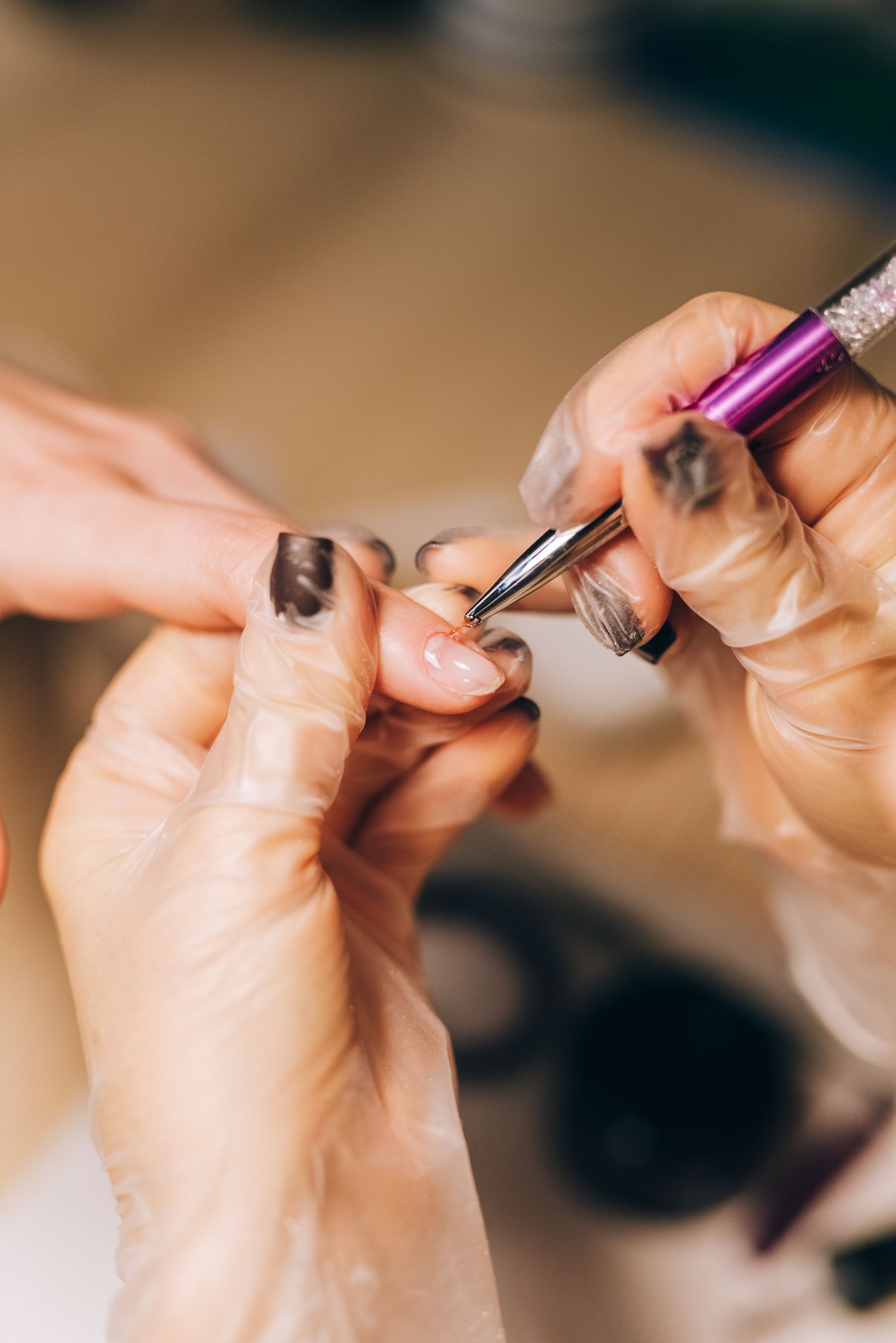
Chrome starts as ordinary gel color, cured. A no-wipe top surface is prepared, and a fine metallic powder is rubbed in with a soft applicator until the nail turns reflective, then brushed clean and sealed, often with extra attention and a second seal at the free edge. The powder is the fragile part of the system. Everything in the process after it exists to protect a layer with almost no strength of its own.
Cat-eye gel contains magnetic particles suspended in the polish. The technician paints a nail, holds a small magnet just above the wet surface to pull the particles into a band, a diagonal, or a soft bloom, then cures that nail immediately before the pattern can relax. It is one nail at a time, start to finish, which is why the appointment runs a little longer and why the result looks dimensional instead of flat.
Jelly gel is simply translucent color, applied in one to three coats depending on the depth you want. Because light passes through it, jelly over a French base gives a stained-glass version of a classic, and jelly over bare nail gives the tinted, healthy look that fills social feeds every spring in Cornelius. It cures and seals like any gel, and wears like any gel, with the one caveat that its honesty about the nail underneath is total.
Making the call
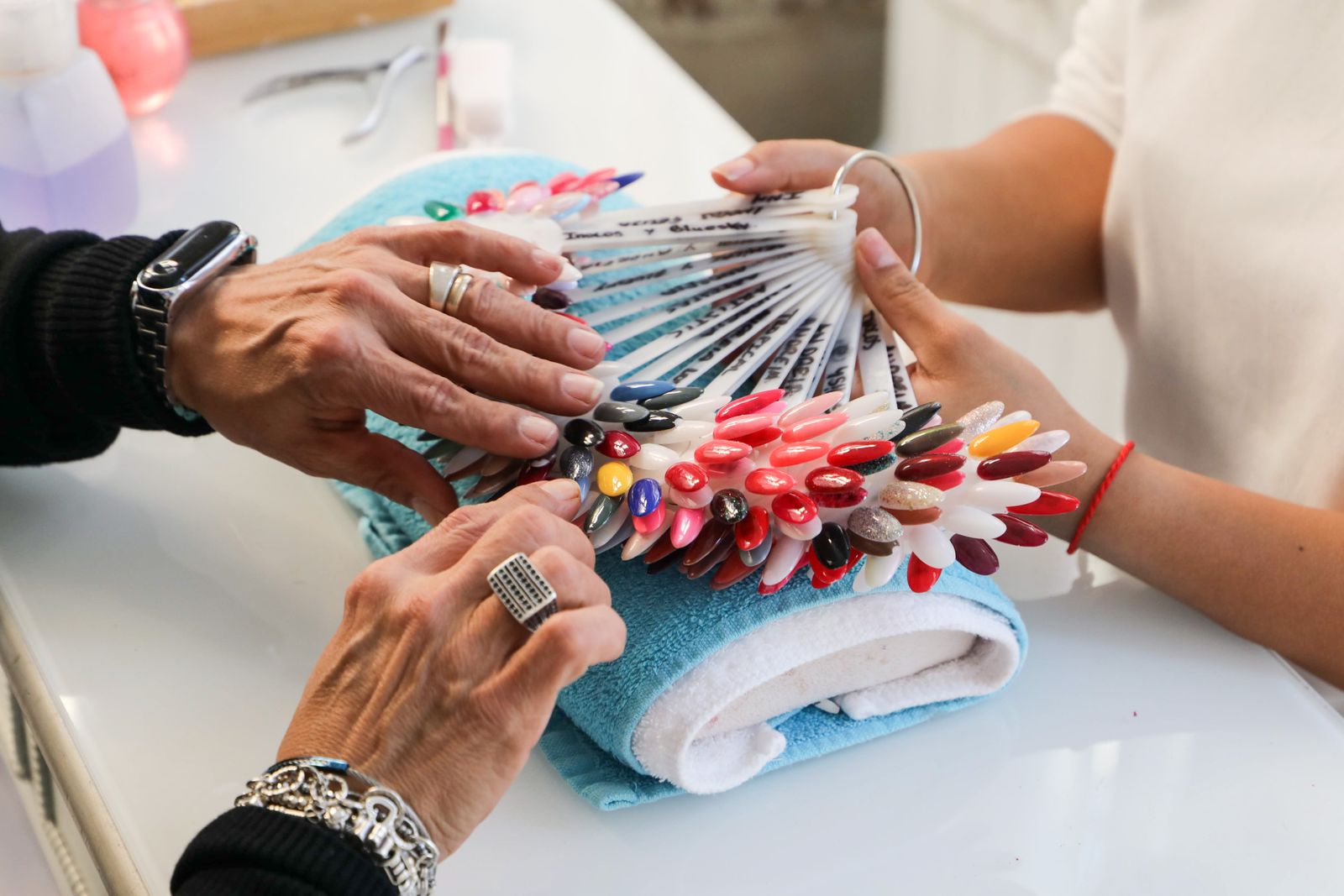
Pick chrome for a short, high-impact window. Pick cat-eye for a full wear period of visual interest that survives typing, dishes with gloves, and daily life. Pick jelly for the quietest grow-out and the lightest look, after an honest glance at your bare nails. If you are undecided, the standard test applies: one accent nail in the new finish, the rest in your usual color. You will know by day three whether you want ten of them, and knowing by day three is the entire point of a checklist.
Common questions
Which of the three lasts longest?
Cat-eye and jelly wear like the gel system under them, typically two to three weeks. Chrome's base lasts as long, but its mirror surface dulls sooner, especially at the tips, so it looks its best in the first week.
Can I combine finishes, like jelly over cat-eye?
Yes, layering is common. A jelly tint over a cat-eye base deepens the color while keeping the moving light effect. Ask at booking so time is allowed for the extra steps.
Do these finishes cost extra time at removal?
No. All three sit on gel systems and remove the way gel removes, by soaking or careful filing. The effect layer itself adds no meaningful removal time or damage.
Photos in this guide are representative stock images.
← All guides from Villaggio Nails & Spa← Back to Villaggio Nails & Spa