A structured manicure is a gel manicure with engineering in it. Under the color sits a layer of builder gel, shaped thicker over the part of the nail that bends, so your own nail can hold length and polish without snapping at the corners. If your nails grow to a point and then peel, split, or break one at a time, an overlay is usually the service you have been looking for, and it is different from both a plain gel manicure and a set of extensions. This how-to explains how an overlay is built at Villaggio Nails & Spa in Cornelius, what you can do at home to keep it working, and where the line sits between home care and chair time.
How the overlay is built
- Prep decides the bond. The nail is cleaned, shaped, and the cuticle area is tidied so no skin remains on the plate. A dehydrator and primer, where used, give the builder gel a clean, dry surface. Product laid over skin or dust lifts early, no matter how good the gel is.
- A base layer cures first. A thin foundation coat goes on and cures under the lamp, giving the builder something formulated to grip.
- The builder is placed and shaped wet. The technician floats a bead of builder gel over the nail and guides it into place, building the apex, the gentle raised curve slightly behind the center of the nail. This curve is the whole point. It puts strength over the stress area, where nails flex and crack.
- Each layer cures hard. Builder gel cures under LED or UV light, commonly in about a minute per layer. Because it cures hard rather than flexible, it shields the free edge from the bending that peels natural nails apart.
- Shape is refined, then color or a tinted finish. Once the structure is right, the surface is filed smooth, and gel color goes on top, or the tinted builder itself is finished with a top coat for a clean, natural look.
- Fills rebalance the structure as you grow. Every two to three weeks, grown-out builder is filed down, the apex is rebuilt in the correct position over your longer nail, and color is refreshed. A fill is structural maintenance, not just a color change.
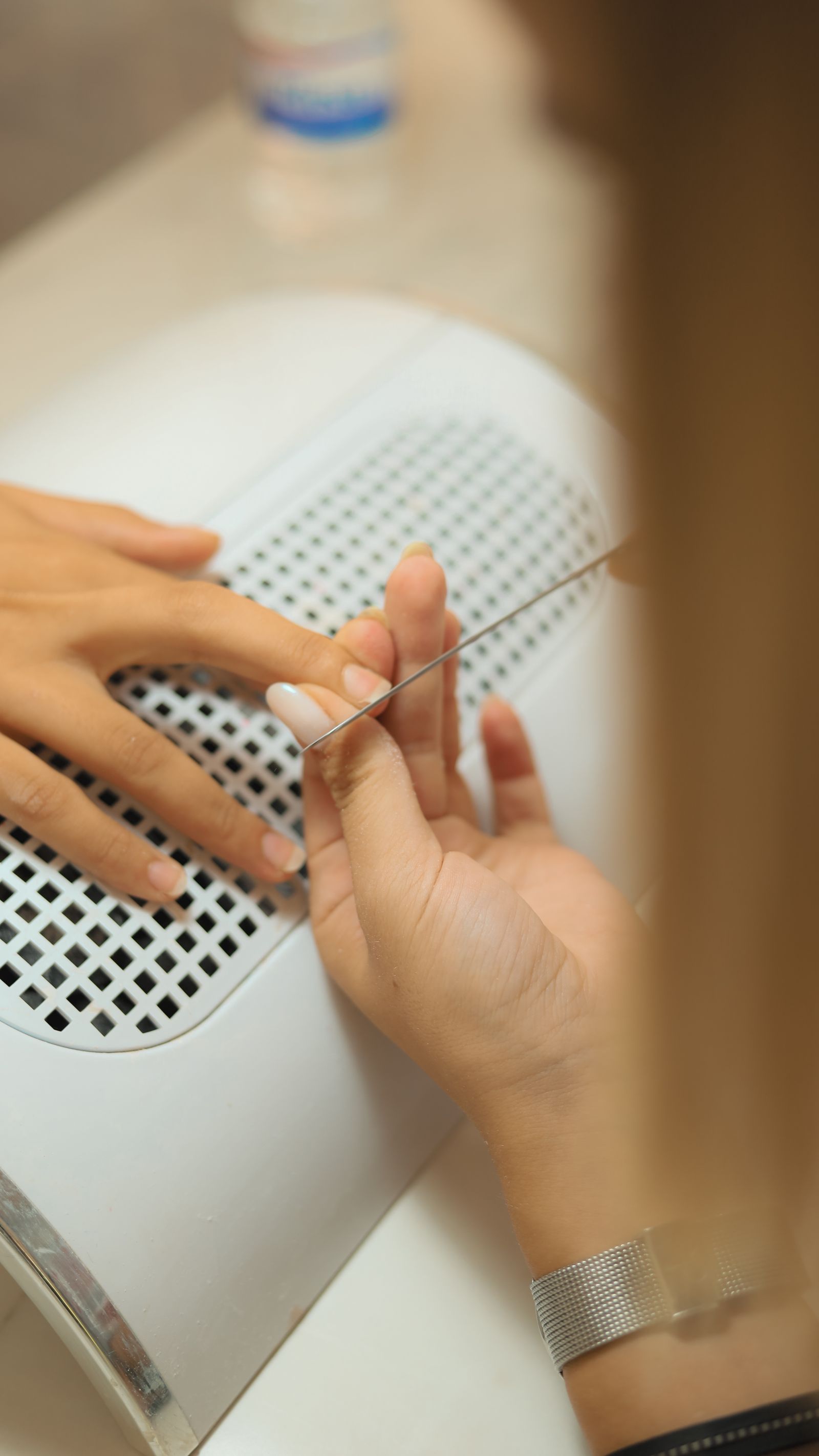
The home half of the job
Between fills, your work is protection, not repair. Cuticle oil once a day keeps the natural nail plate and the skin at its edges flexible, and flexible edges lift less. Work a drop around each nail at night so it can sit undisturbed. Wear gloves for dish washing and for cleaning with detergents, since the soak-and-dry cycle swells and shrinks your natural nail under the cured gel and worries at the bond a little more each time.
Use your nails as decoration with a load rating. An overlay feels reassuringly solid, and it is, against the accidental knocks and flexes that used to break your natural nails. It is not rated for prying paint cans, scraping pans, or levering open pull tabs as a daily habit. Those forces concentrate at the tip and can crack the natural nail underneath the builder, a worse break than the ones you came in with. Keep a small tool where you used to use a nail and the set will repay you in weeks of clean wear.
At home you can also watch, accurately. Once a week, look at the edges in good light. Sealed and flat is right. A white hairline at the edge, a corner that clicks when you press it, or a shadow under the product that was not there before are early reports worth a phone call to the salon, not a wait until the fill.
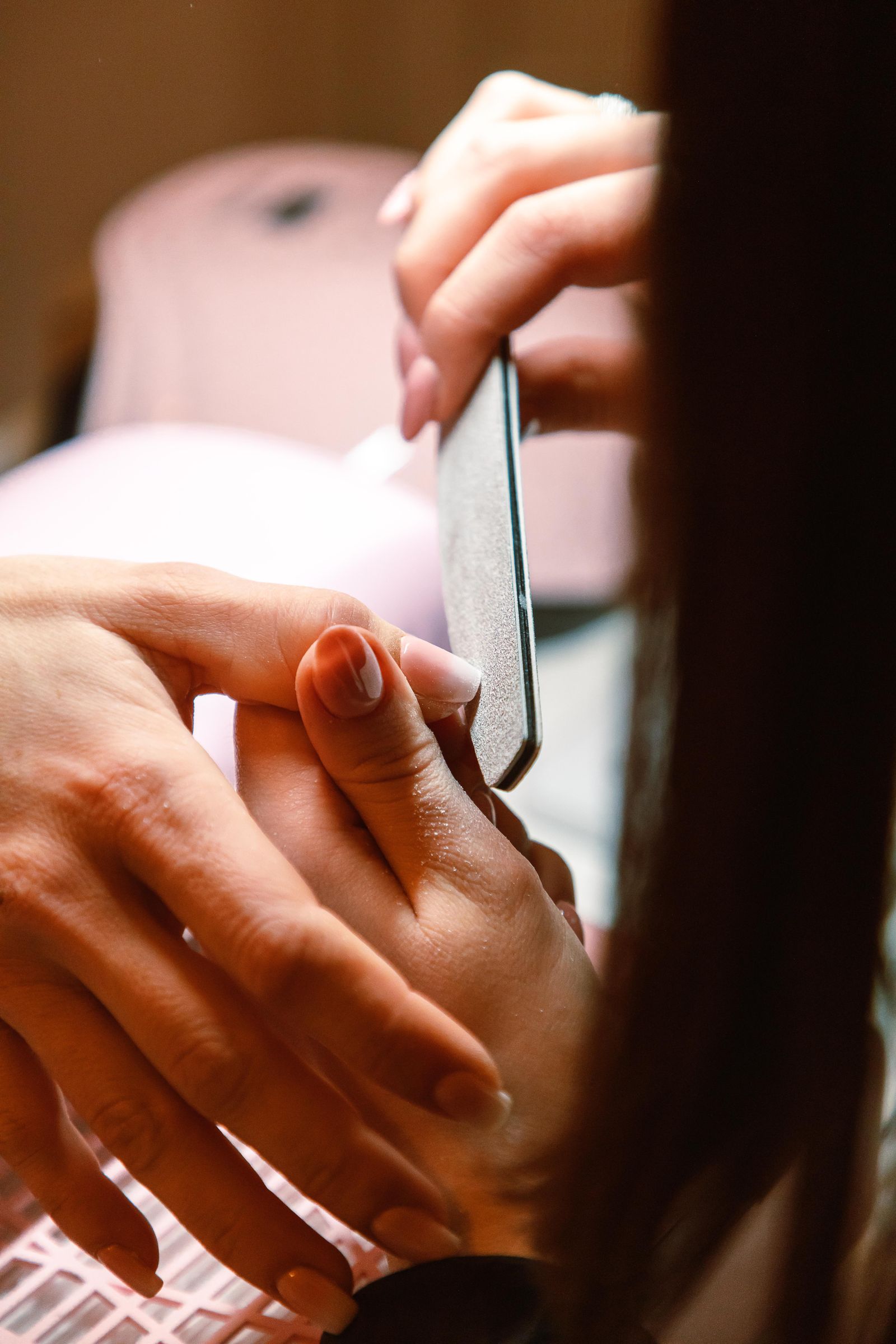
Where the professional line is
Do not file the sides of an overlay down at home to make it narrower, and do not clip through it with nail clippers. Clipping a hard, thick product can crack it lengthwise and split the natural nail beneath. Do not pick at a lifted edge or try to glue it back down. Glue over a lift seals in moisture, and moisture sealed against a nail plate is how discoloration starts. And do not soak an overlay off with brute force and prying. Proper removal is either a patient acetone soak with gentle easing, or careful e-file work by a technician who can stop at the base layer and leave your plate intact.
Overlays are a strong match for office work, parenting, and most everyday Cornelius life, including typing, driving, and gardening with gloves. They are a poor match for nail biting and picking, because the added hardness gives picking more leverage against your own nail. If that is your habit, say so honestly at the first appointment. A shorter structured set, or a plan to address the habit first, will serve you better than a long overlay you dismantle by Friday.
Expect to judge the service at week three, not day one. Day one, everything is beautiful. Week three, on your second fill, with your own nails noticeably longer than they have been in a year and none of them broken at the corner, is when a structured manicure proves what it is for.
Common questions
How is an overlay different from acrylic extensions?
An overlay coats and strengthens your own nail at its current length. Extensions add artificial length with tips or forms. If you like your length but not your breakage, you want the overlay.
Will builder gel damage my natural nails?
Properly applied, filled on schedule, and removed without prying, it should not. Damage usually comes from forced removal or from riding out lifting until the natural nail breaks underneath.
Can I change color between fills?
Gel color over an overlay is refreshed at the fill, when the structure is rebalanced anyway. Regular polish can be worn over the top between visits if you want a short-term change, using a gentle, non-acetone remover.
Photos in this guide are representative stock images.
← All guides from Villaggio Nails & Spa← Back to Villaggio Nails & Spa